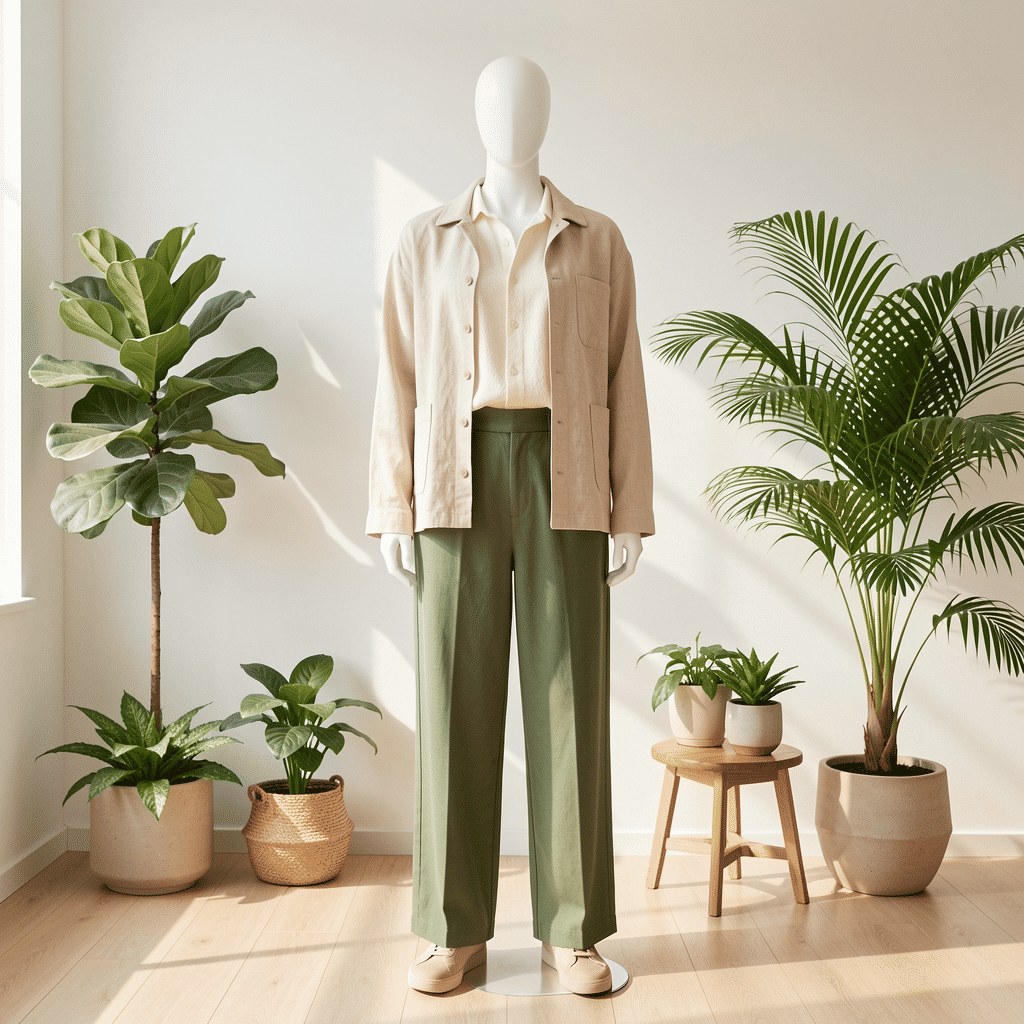
In recent years, sustainable fashion has transformed from a niche movement into a mainstream force reshaping the way we think about our wardrobes. As consumers become increasingly eco-conscious, the fashion industry is pivoting towards practices that prioritize environmental health without sacrificing style. If you're looking to make a positive impact through the clothes you wear, here’s a guide on how you can contribute to this green revolution.
Firstly, it's important to understand what sustainable fashion entails. At its core, this movement emphasizes clothing production that respects both the planet and its people. This means implementing eco-friendly materials, minimizing waste, upholding fair labor practices, and embracing a circular economy where products are designed to be reused or recycled at the end of their lifecycle.
A key area of focus in sustainable fashion is the material composition of clothing. Traditional fabric production often involves harmful chemicals and excessive water usage. However, innovative alternatives such as organic cotton, Tencel, hemp, and recycled materials are proving to be both stylish and sustainable. These materials are not only gentler on the environment but also often provide enhanced comfort and durability.
Another way to engage in sustainable fashion is by supporting brands that prioritize ethical production methods. This means choosing companies that offer transparency about their supply chains, engage in fair labor practices, and have commitments to reducing their carbon footprint. Brands like Patagonia, Eileen Fisher, and Stella McCartney have set industry standards in this regard, showing that it is possible to create beautiful apparel without exploiting people or the planet.
Moreover, second-hand shopping has gained popularity as a sustainable practice. Thrift stores, vintage shops, and online platforms like Depop or ThredUp offer a range of unique items that breathe new life into pre-loved clothes, extending their lifespan and reducing waste. Not only does this reduce the demand for new clothing production, but it also allows consumers to express their individuality through distinctive, timeless pieces.
The concept of a capsule wardrobe also dovetails with sustainable fashion principles. By focusing on quality over quantity, individuals can curate a collection of versatile, well-made pieces that can be mixed and matched. This not only reduces the impulse to purchase fast fashion but also encourages thoughtful consumption, where each piece is chosen for its enduring style and functionality.
As individuals, even the smallest changes in our shopping habits can collectively drive significant industry shifts. Being mindful of laundering habits, opting for natural dyes, and choosing clothes that are designed to last longer are subtle yet impactful ways to support the sustainable fashion movement.
In conclusion, sustainable fashion is not just a trend; it's a vital shift necessary for addressing the pressing environmental challenges we face. By choosing planet-friendly fashion options, each of us can contribute to a healthier planet. The movement invites us to reevaluate our relationship with clothing, encouraging connectedness with our choices, the artisans behind them, and the ecosystems they affect. So, next time you refresh your wardrobe, consider how your choices can help dress the planet-friendly way.